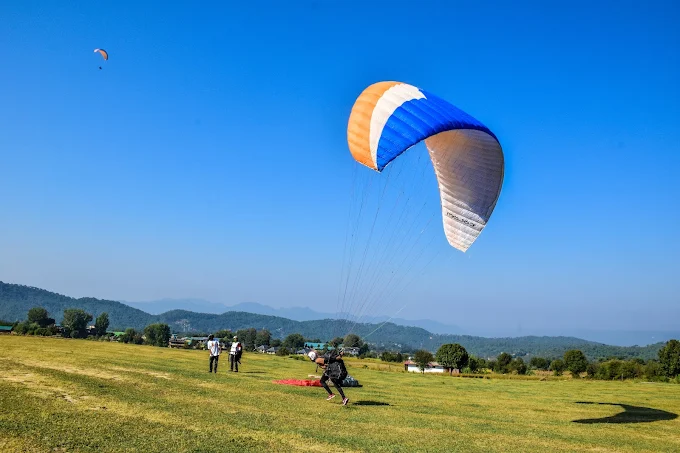
The 8-Day APPI 3 Course is designed for pilots who have completed their P2 training and are ready to progress further. Conducted in Bir Billing, this course focuses on refining your fundamentals—clean take-offs, controlled landings, and smoother flying. The emphasis is on improving consistency, awareness, and decision-making in real conditions, while helping you feel more relaxed and in control during your flights.
As you progress, you’ll work on flying more efficiently, handling changing air conditions, and extending your time in the air when possible. With regular briefings, feedback, and guided flying, the goal is to build confidence and develop a more complete understanding of flying as a pilot.
Thermalling
At the APPI 3 level, you are introduced to thermalling—learning how to use rising warm air to stay in the air longer. You’ll begin to recognize where lift is likely to be found and understand how conditions in Bir create these opportunities.
With guidance, you’ll practice entering lift and using smooth, controlled turns to stay within it. The focus is on building awareness, coordination, and confidence while flying in more active air, rather than just gaining height.
At the P3 stage, the focus shifts from just flying to flying with more awareness, control, and better decision-making. With each flight, you’ll feel more comfortable in the air and start understanding how to use conditions to your advantage.
By the end of the course, you’ll be capable of flying more independently at your learning site, within your limits, with the confidence and judgment needed to fly safely.
Where Do You Reach? What’s Next?
By the end of the course, you will complete your APPI 3 practical and theory evaluations. Once you meet the required standard, you become eligible for the APPI 3 Pilot rating.
At this stage, you are considered a progressing independent pilot at your learning site. You’ll be able to plan your flights, make basic decisions, and continue flying within your limits. It also opens the door to further progression—like Soaring, XC, and advanced clinics.
Getting Your APPI Pilot License
You are enrolled into the APPI system from the beginning of your course. As you progress, your training is tracked through practical tasks, flight logs, and verbal understanding, all signed off by your instructor.
Once you complete the required training and meet the expected level of flying, your instructor conducts a final review—assessing your control, awareness, and overall attitude towards safe flying. After this, your APPI level is validated and the license process is completed with guidance from the training team.